Lunar cycles
Moon phases for manifestation — the lunar cycle as a 29-day calendar
The lunar cycle averages 29.53 days, according to NASA. That number is the oldest calendar humanity has used. New moon for intention. Full moon for release. The waxing weeks for building. The waning weeks for tending. Manifest 11 organizes its rhythm around this cycle.
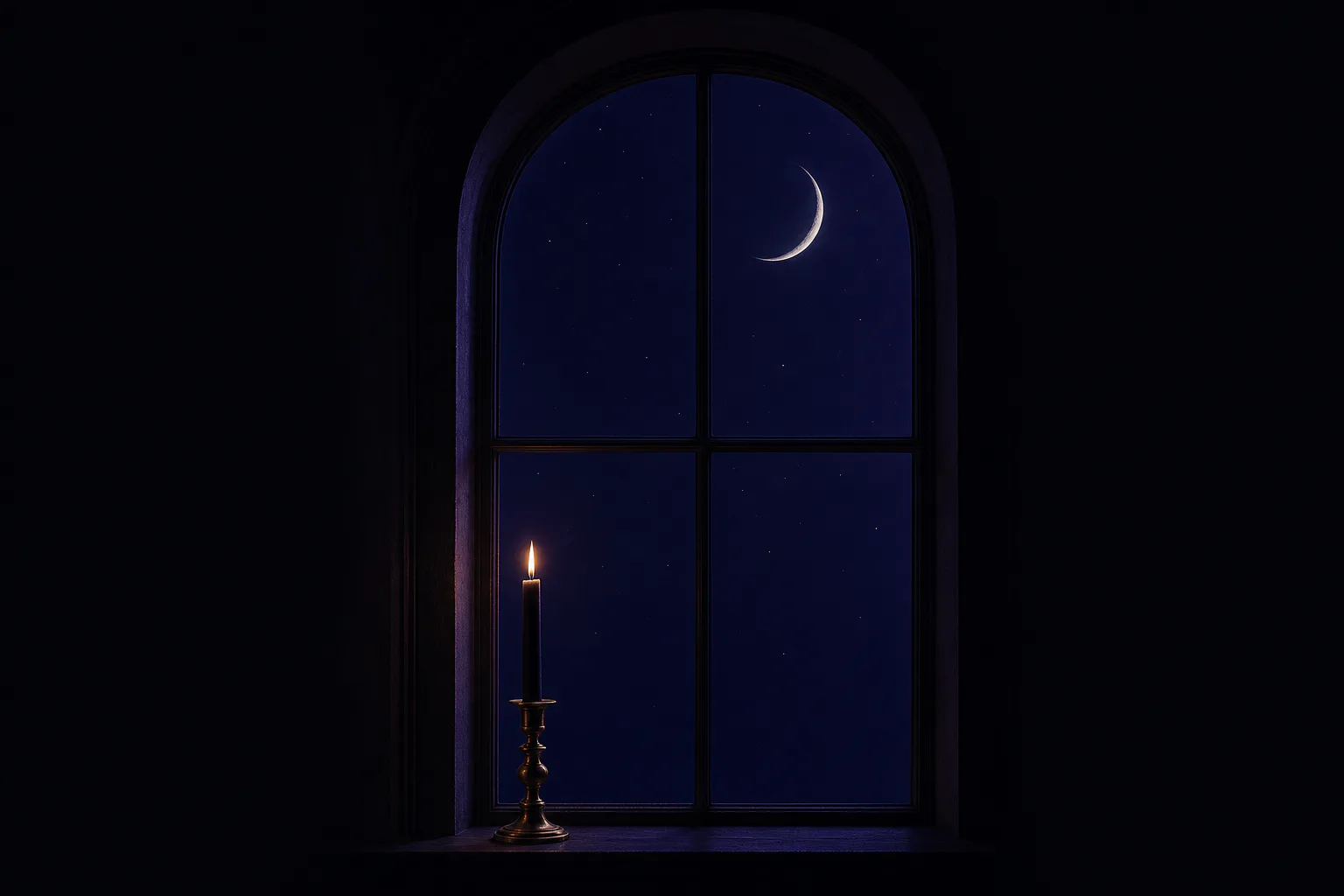
Why the moon as a calendar
The lunar cycle is older than every wellness app. It runs on a 29.53-day average and gives the year thirteen distinct cycles, each with a clear midpoint and ending. Manifestation traditions across cultures — Vedic, Mesopotamian, modern Western — have used it as the timing skeleton for intention-setting. Modern manifestation literature inherited this without often crediting it.
The moon doesn’t cause manifestation. It gives manifestation a rhythm. The reason this matters: most people’s manifestation practices fail not because the practices are wrong but because the cadence is too vague. A daily practice with no monthly anchor drifts. The moon fixes the drift.
The eight phases
The lunar cycle has eight named phases, each lasting about 3.7 days:
- New moon (dark) — the dark gate. Time for intention-setting. Write three intentions for the coming cycle.
- Waxing crescent — the first growth. Begin to act on the intentions. The smallest first step.
- First quarter — half-lit. The first decision-point. What’s working, what isn’t.
- Waxing gibbous — almost full. Build, push, complete.
- Full moon — peak. Release. What is being completed; what is being let go.
- Waning gibbous — gratitude, integration. What you’ve received from the cycle.
- Last quarter — second decision-point. What needs revising before next month.
- Waning crescent — rest, reflection. The dark before the next gate.
New moon — intention
The new moon is the gate. The most-cited moon ritual in modern manifestation: within 24 hours of the new moon, write three intentions for the coming cycle, speak them aloud, and begin a daily practice tied to them. Specificity helps. “I am steady at work” is too abstract. “I send the proposal on Tuesday” is specific enough to act on.
Full moon — release
The full moon is the peak. The classical full-moon ritual: write what you are releasing — habits, beliefs, relationships, narratives — speak it aloud, and acknowledge it as done. Some practitioners burn the paper. The act is symbolic; what matters is that you have named the release.
How to pair with a daily practice
The moon is a calendar. The practice is what fills the calendar. The AYA Method — listening daily to a Dream-Self Moment narrated from your future self — is what we recommend at Manifest 11 as the daily through-line. The moon gives the rhythm; the audio gives the spine.
For more on master numbers and synchronicity, see master numbers and the practice of noticing synchronicity.
The quiet take
The moon is the easiest manifestation framework to start with because you can’t avoid it. It is in the sky every night, in the same cycle, on the same calendar. You don’t have to believe anything mystical to use it. You only have to look up.